
Available To or Available For: Which Is Correct?
Both “available to” and “available for” are correct English expressions. The difference depends mainly on what follows the word available and what you want to ...

Both “available to” and “available for” are correct English expressions. The difference depends mainly on what follows the word available and what you want to ...
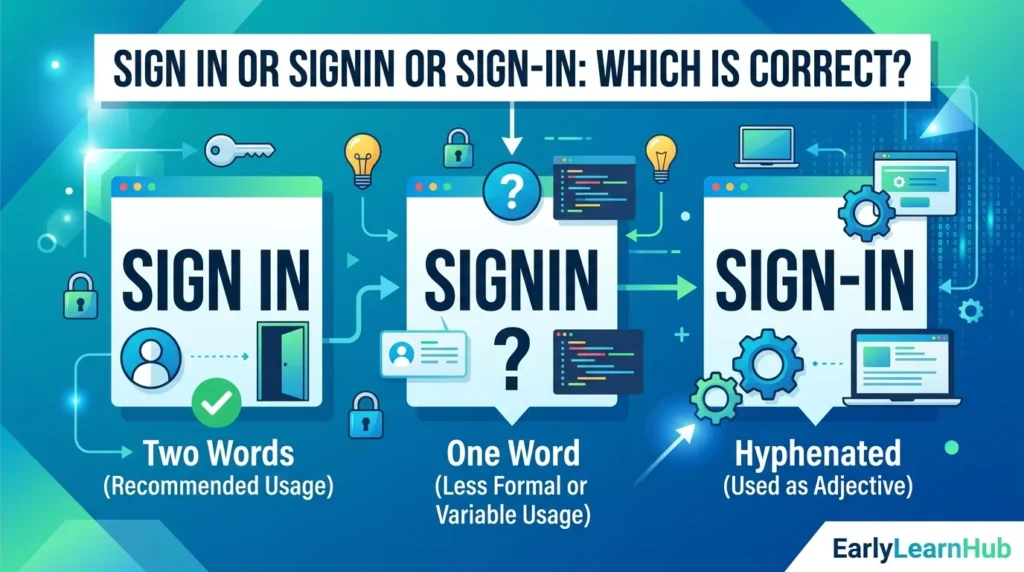
If you are unsure whether to write sign in, signin, or sign-in, the correct choice depends on how the expression is being used. In standard ...
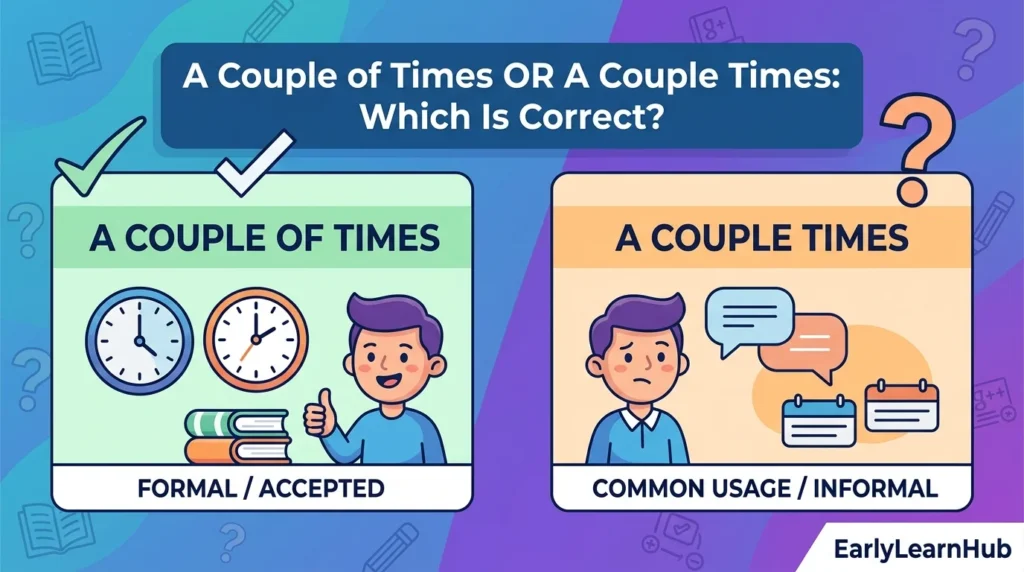
Both “a couple of times” and “a couple times” are used in English, and both generally have the same meaning. However, they differ in formality ...

Both “to me” and “for me” are correct English expressions, but they are not always interchangeable. The right choice depends on what you want to ...
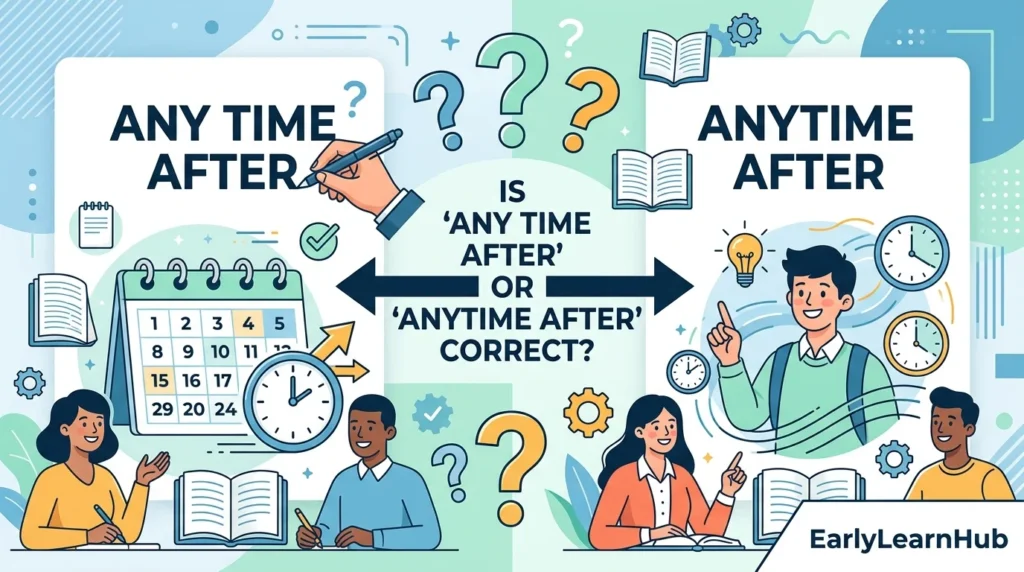
The correct choice depends on how the phrase functions in the sentence. Any time after is the more flexible form, particularly when after is followed ...
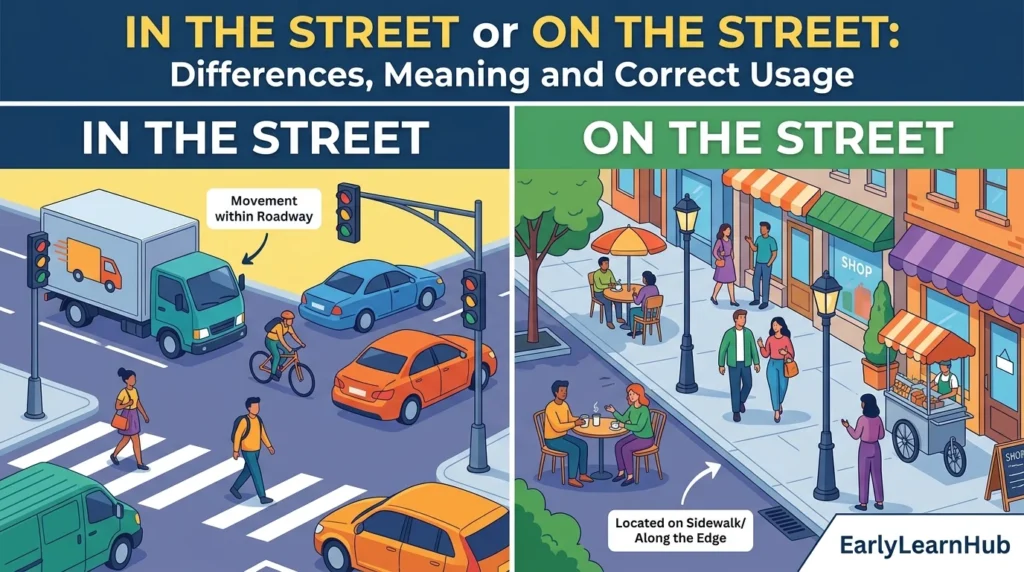
Both “in the street” and “on the street” are grammatically correct. The better choice depends on what you mean and, in some cases, which variety ...
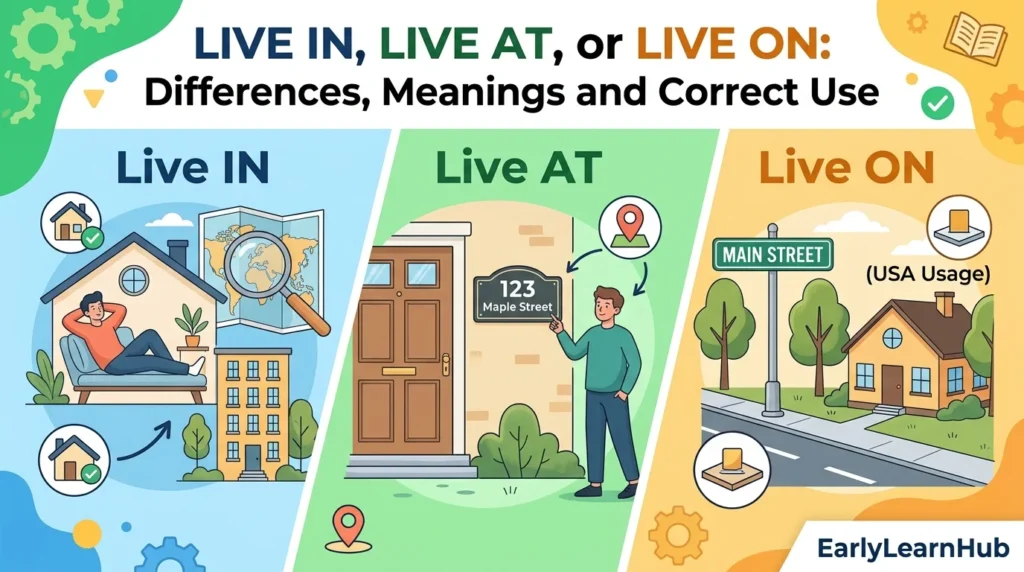
“Live in,” “live at,” and “live on” are all correct expressions, but they are not normally interchangeable. The preposition depends on the type of place ...

Both “if time permits” and “if time allows” are correct English expressions. They are used when an activity depends on having enough time available. In ...
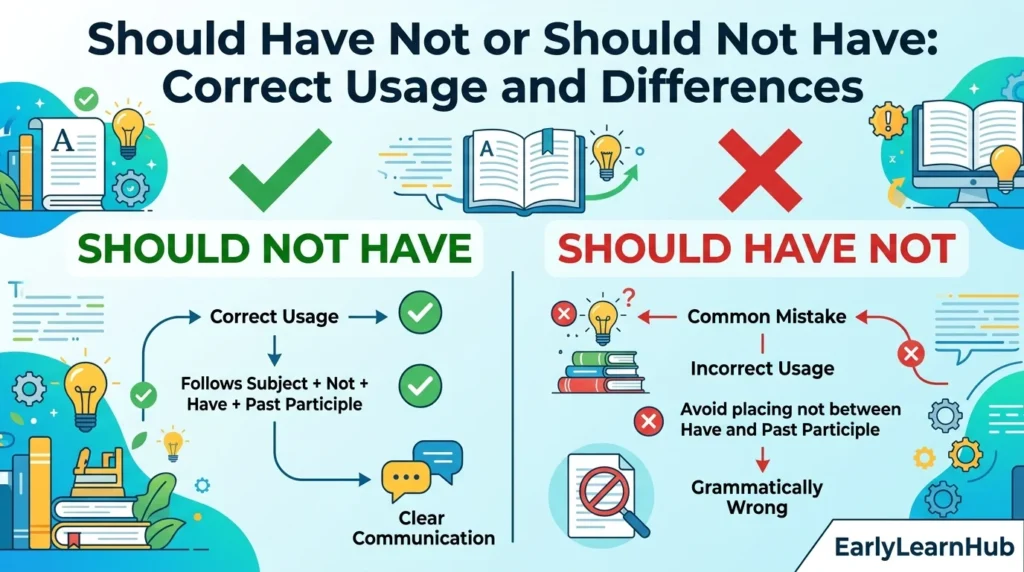
When choosing between “should have not” and “should not have,” the usual and natural choice is “should not have.” It is the standard construction for ...
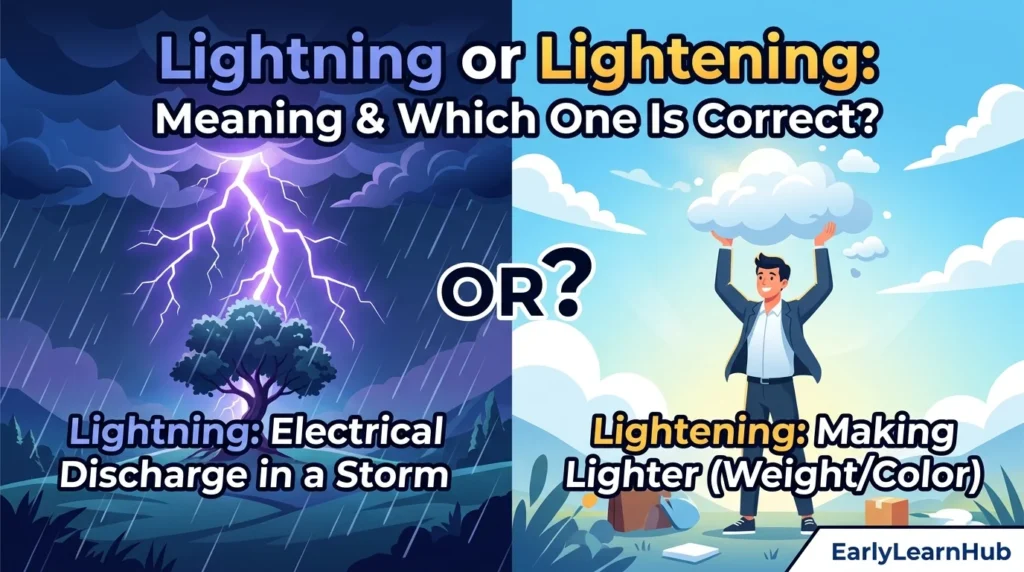
Both “lightning” and “lightening” are correct English words — but they mean completely different things and are not interchangeable. The confusion happens because they look ...