
Poisonous vs Venomous: Meaning & Differences
“Poisonous” and “venomous” are often used interchangeably, but they describe different ways toxins affect another organism. The key difference is how the toxin is delivered. ...

“Poisonous” and “venomous” are often used interchangeably, but they describe different ways toxins affect another organism. The key difference is how the toxin is delivered. ...
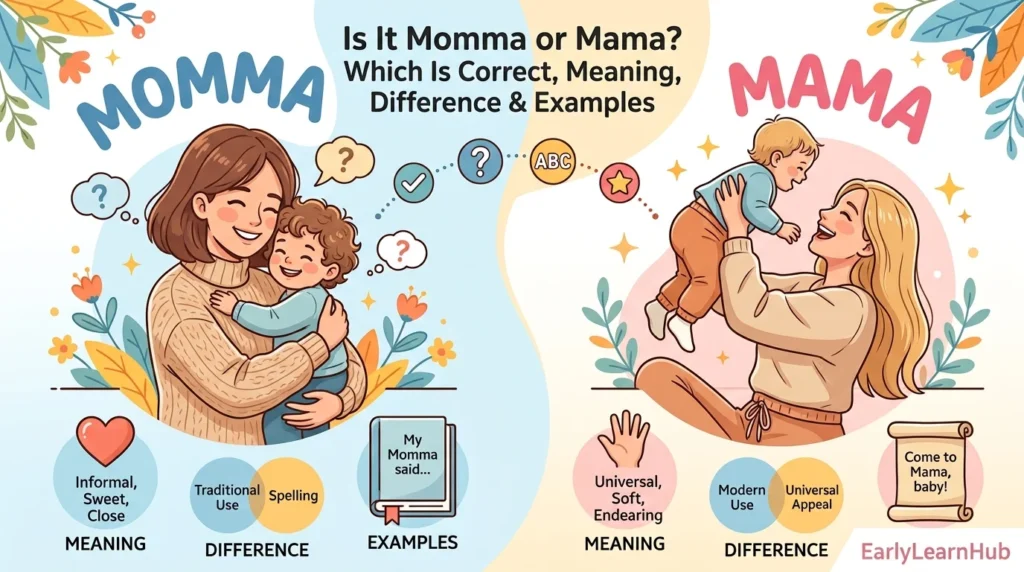
If you are unsure whether to write “momma” or “mama,” you are not alone. Both forms are used in English to refer to a mother, ...
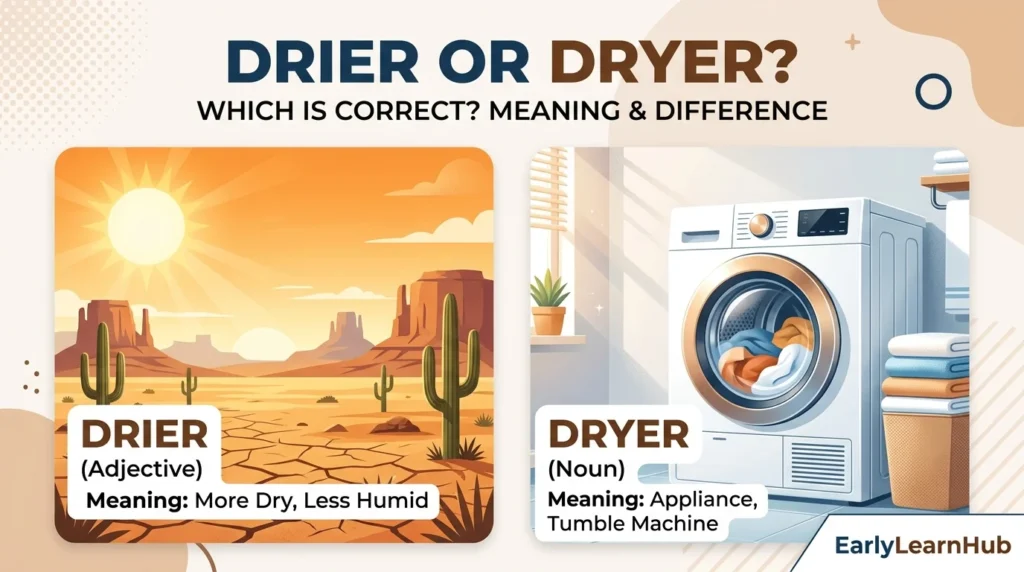
If you are unsure whether to write drier or dryer, both words are correct, but they usually have different meanings and grammatical functions. Drier is ...

Both optimization and optimisation are correct spellings. The difference is mainly regional: optimization is the standard American English spelling, while optimisation is commonly used in ...
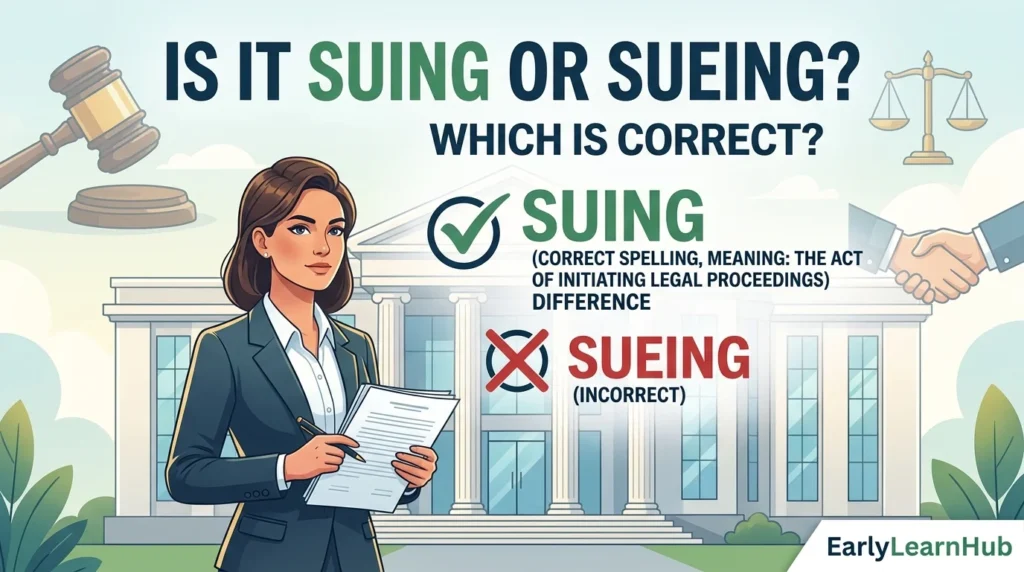
If you are unsure whether “suing” or “sueing” is the correct spelling, the answer is straightforward: suing is the standard English form. It is the ...
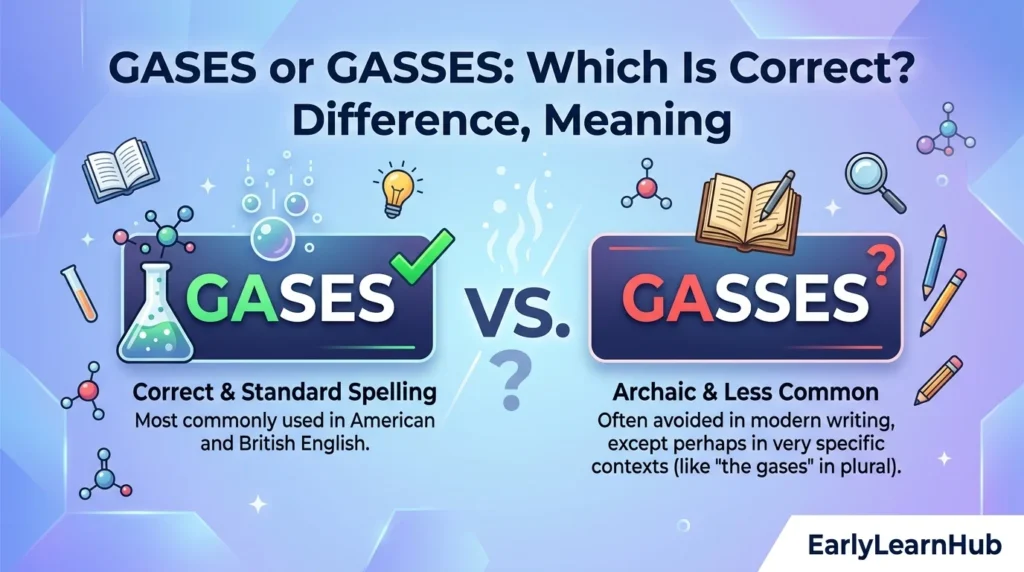
If you are unsure whether the plural of gas should be spelled gases or gasses, you are not alone. Both spellings exist in English, but ...
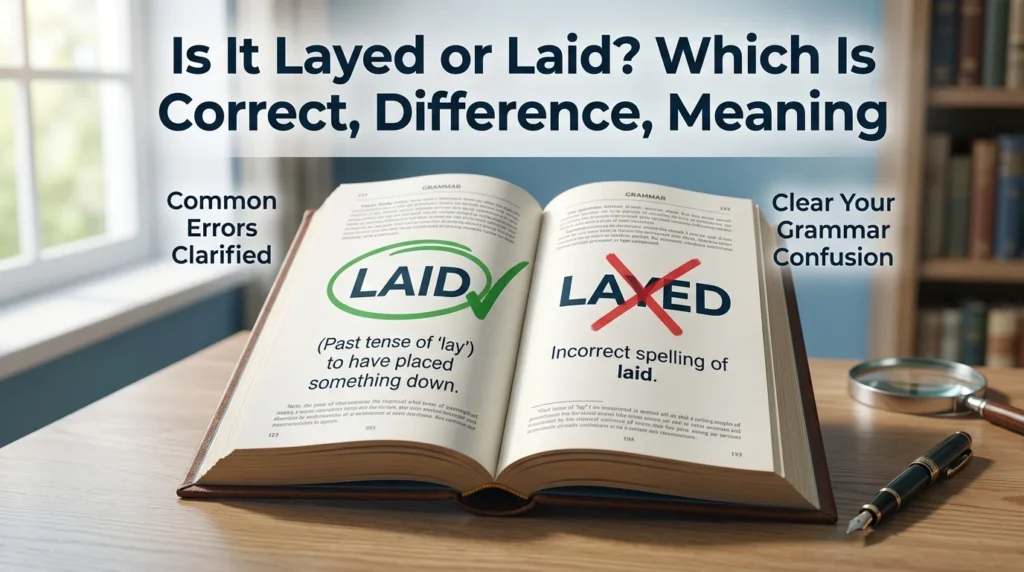
If you are unsure whether to write layed or laid, the correct choice in standard English is almost always laid. Laid is the past tense ...
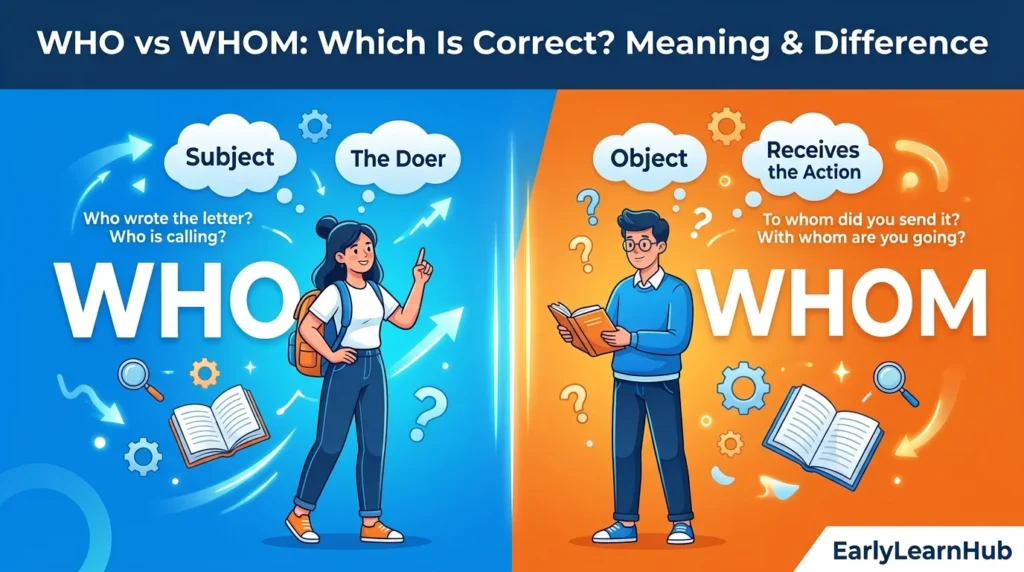
Who and whom both refer to people, but they have different grammatical roles. The key difference is that who traditionally functions as a subject, while ...
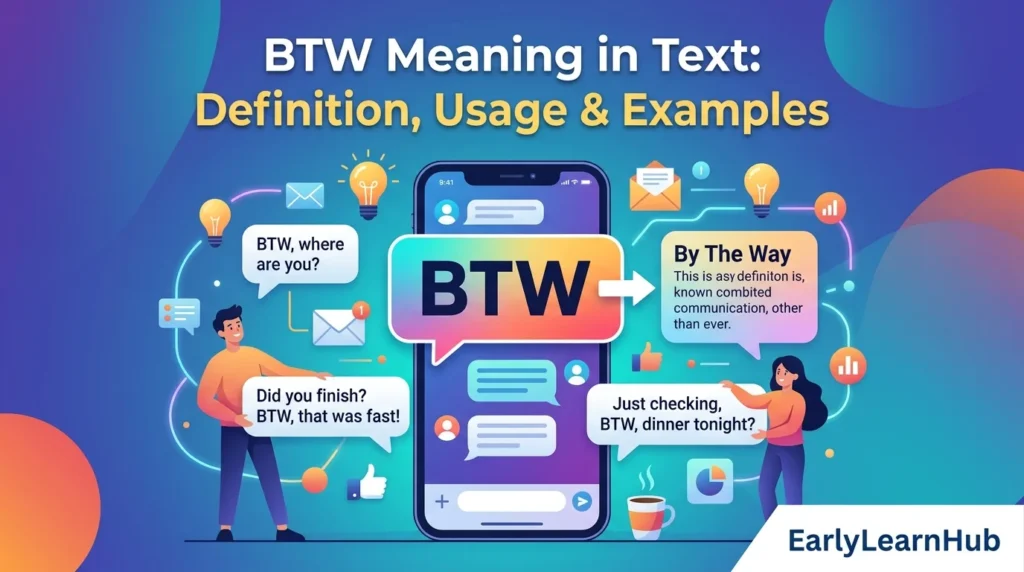
If you have seen BTW in a text, chat, email, or social media message, it means “by the way.” It is an informal written abbreviation ...
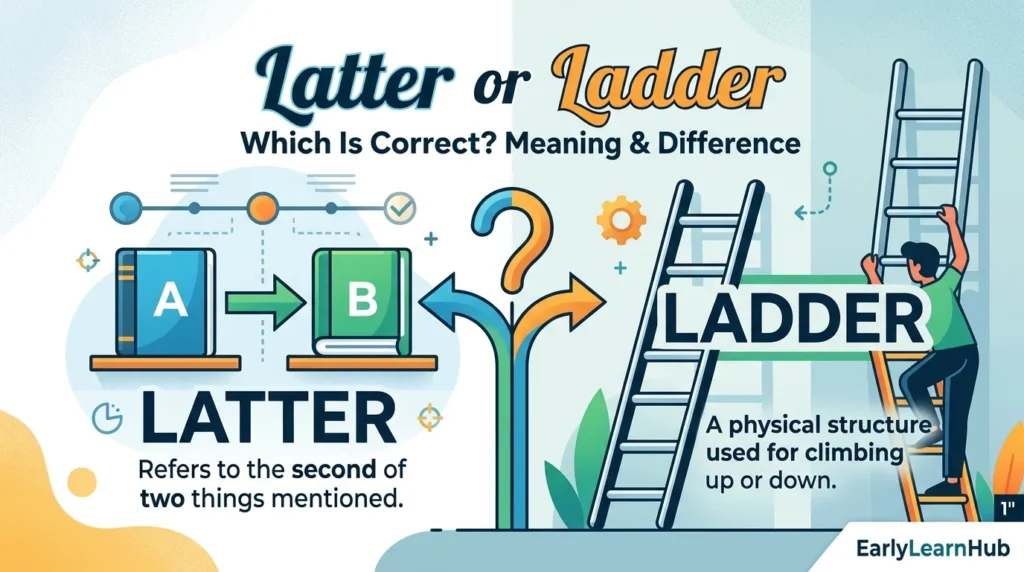
“Latter” and “ladder” are commonly confused because they look similar and can sound nearly identical in some accents. However, they have completely different meanings and ...