
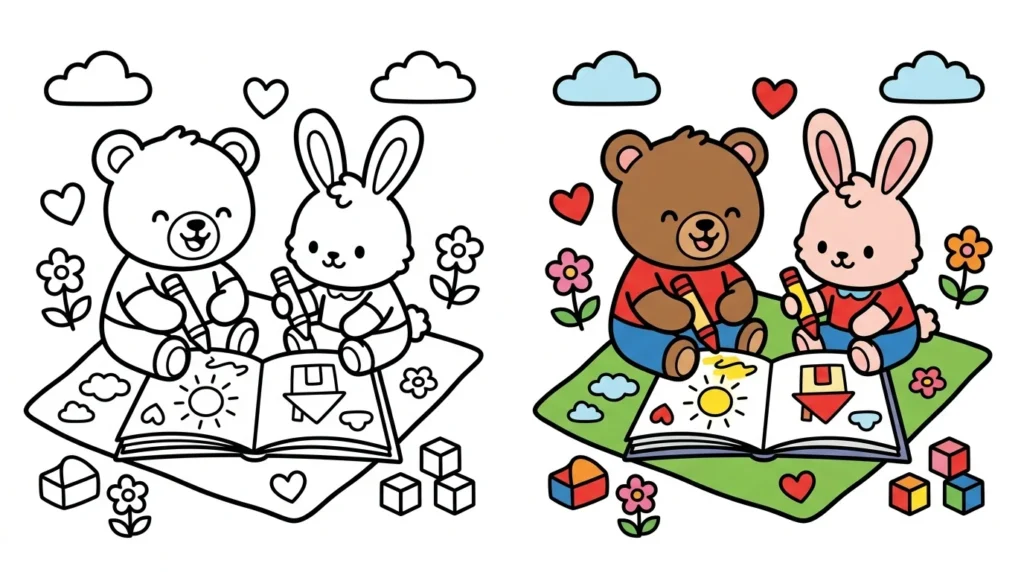
Coloring can look simple at first, but watching other people color the same page can reveal something much deeper. Everyone makes different choices with colors, patterns, details, and styles. These differences can teach us new ways to enjoy art and become more confident with our own creativity.
What I Learned From Watching Others Color My Pages
One of the biggest lessons I learned is that there is no single right way to color a page. Two people can use the same coloring sheet and create completely different results.
Watching others helped me notice how personal coloring can be. Some people carefully choose matching colors, while others experiment with unexpected combinations. Each approach can make the finished page special.
How Personal Coloring Can Be
Coloring gives children and adults a simple way to show their personality. A person might prefer soft colors, bright shades, realistic combinations, or imaginative patterns.
When I watched others color my pages, I saw how their choices reflected their individual creativity. The same drawing could become a cheerful scene, a magical picture, or a calm design depending on the colors used.
How Different Color Choices Transform One Page
Color can completely change the feeling of a coloring page. Bright yellow, orange, and red can make an image feel energetic, while blue, purple, and green may create a calmer appearance.
Watching different people color the same design showed me how powerful simple color choices can be. It also encouraged me to look at coloring pages in new ways instead of expecting every finished picture to look the same.
Why Every Coloring Style Looks Different
Everyone develops a different coloring style. Some people color slowly and carefully, while others enjoy filling spaces quickly and freely.
Some artists stay close to realistic colors, while others use colors that would never appear in real life. These differences are part of what makes coloring enjoyable.
There is no need for every person to follow the same method. A unique coloring style can make each finished page feel personal.
Learning From Bold and Creative Color Choices
Watching others color taught me to appreciate bold choices. Someone might turn a familiar object into something completely unexpected simply by choosing unusual colors.
These creative decisions can inspire new ideas. Instead of asking whether a color is correct, try asking whether it makes the picture interesting and enjoyable.
For children, this kind of experimentation can also encourage imagination. They learn that art can be a place to explore ideas without worrying about making everything perfect.
Why Coloring Mistakes Can Become Happy Accidents
Mistakes are a natural part of coloring. A child may color outside an outline, choose a color they later dislike, or accidentally mark an area they did not intend to color.
Watching others helped me see that these moments do not have to ruin a picture. A mistake can sometimes become part of the design. Another color, pattern, or creative detail may turn an unexpected mark into something fun.
This is an important lesson because children can learn to keep creating instead of giving up when something does not go exactly as planned.
Going Beyond the Lines With Personal Style
Coloring inside the lines can help children practice control and coordination, but creativity does not have to stop there. Personal style can include patterns, color combinations, extra details, and imaginative ideas.
Watching others color my pages showed me that a printable coloring sheet can become the starting point for much more creative exploration. Each person can add their own personality while enjoying the basic design.
Why Coloring Is Not About Perfection
Coloring becomes more enjoyable when the goal is creativity rather than perfection. Watching others color my pages reminded me that a finished picture does not need to look flawless to be meaningful.
A child may use unusual colors, leave small areas unfinished, or create unexpected patterns. These choices can still produce a beautiful and personal result.
How Coloring Builds Connection and Community
Sharing coloring pages can bring people together. Parents, teachers, children, friends, and other creative people can all work with the same design while creating completely different results.
Seeing how others approach a coloring page can create conversations about colors, ideas, and artistic choices. It also shows children that their artwork can be appreciated by others.
How Shared Art Inspires Creativity
When children see someone else color a page differently, they may discover an idea they want to try themselves. A new color combination or pattern can become the inspiration for their next picture.
This type of creative sharing can help children become more willing to experiment. Instead of copying exactly, they can take inspiration from others and develop their own approach.
What Other Artists Taught Me About Coloring
Other artists taught me to slow down and pay attention to small details. Some people carefully layer colors, while others create simple designs with just a few shades.
Watching these different approaches helped me understand that there are many enjoyable ways to complete a coloring page. Every technique can offer something useful to learn.
How Coloring Made Me Appreciate My Art More
Seeing other people enjoy my coloring pages made me appreciate the creative process behind them. A simple outline can become something completely different once someone adds their own colors and imagination.
It also reminded me that artwork does not have to be complicated to inspire creativity. A basic printable page can give someone the freedom to experiment, relax, and create something they are proud of.
Lessons From Seeing My Pages Come to Life
Perhaps the most meaningful lesson is that a coloring page is only the beginning. Once someone starts coloring, the design becomes their own creative project.
Watching different people bring my pages to life showed me how much variety can come from one simple drawing. Their choices demonstrated that creativity grows when people are given the freedom to explore.
Lessons Watching Others Color My Pages Dot Marker Tracing and Coloring Pages
Dot marker activities can add another creative step before traditional coloring begins. Children can follow dotted outlines around simple shapes or important parts of a coloring page using a dot marker.
After tracing the dotted path, children can color the picture in their favorite shades. This combines tracing practice with creative coloring in one simple activity.
Following dotted lines can support hand control, visual attention, and fine motor practice. Coloring afterward gives children an opportunity to make their own choices and enjoy the finished design.
Why Sharing Coloring Pages Makes Art More Meaningful
A coloring page can become more meaningful when it is shared with others. Seeing different people interpret the same design can reveal new possibilities that may not have been considered before.
It also shows how art can connect people. Whether a child colors with a parent, a teacher displays student artwork, or friends share their finished pages, the creative experience becomes something they can enjoy together.
Tips
Encourage Creative Color Choices
Let children choose colors freely instead of always telling them which colors to use. Ask them why they selected certain shades and encourage them to explain their ideas.
Try Different Coloring Tools
Experiment with crayons, colored pencils, washable markers, and dot markers. Different tools can create different textures and help children discover what they enjoy most.
Do Not Focus Too Much on Mistakes
If a child colors outside the lines, encourage them to continue. Positive feedback can help them feel comfortable experimenting and developing confidence.
Look at Other Coloring Styles
Show children completed coloring pages created in different ways. Discussing the differences can help them notice new techniques and inspire their own ideas.
Make Time for Open-Ended Coloring
Give children opportunities to color without strict instructions. Open-ended activities allow them to make decisions, experiment, and express their imagination.
Summary
Watching others color my pages taught me that coloring is much more than filling empty spaces. Different color choices, techniques, patterns, and personal styles can transform the same printable page into something completely unique.
The biggest lesson is that creativity does not require perfection. When children have the freedom to experiment, make mistakes, and learn from others, coloring can become an enjoyable way to develop confidence, imagination, and artistic expression.
FAQs
What can you learn from watching others color?
You can learn about different color combinations, coloring techniques, creative styles, and ways to approach the same design differently.
Why is coloring more about creativity than perfection?
Coloring allows people to make personal choices and express their imagination. There is no requirement for every finished picture to look exactly the same.
Grace Holloway is a Creative Learning Designer with more than 9 years of experience producing visually engaging educational resources for preschool and kindergarten children. She specializes in combining educational principles with creative design to develop worksheets that encourage learning through play, exploration, and creativity.